
In the heart of the world’s busiest metropolises, a quiet revolution is taking root. Away from the sprawling rural fields we traditionally associate with agriculture, a new era of food production is emerging within repurposed warehouses, shipping containers, and sleek glass towers. This is Vertical Farming 2.0, and it is doing more than just saving space—it is fundamentally altering the DNA of urban culinary culture.
For decades, city-dwelling foodies and professional chefs have been at the mercy of complex global supply chains. A “fresh” sprig of basil in a London bistro might have traveled thousands of miles, losing its aromatic potency and nutritional value with every hour spent in transit. Today, that same basil is being harvested just three floors above the kitchen, reaching the plate with a flavor profile that was previously impossible to achieve in a concrete jungle.
The Shift from 1.0 to 2.0: Precision and Flavor
While Vertical Farming 1.0 was focused on the proof of concept—showing that we could grow lettuce indoors—Vertical Farming 2.0 focuses on the “how” and the “quality.” Utilizing advanced AI, LED “light recipes,” and hydroponic or aeroponic systems, these farms can now manipulate the environment to enhance specific culinary traits.
Chefs are no longer just buying “lettuce”; they are collaborating with urban farmers to create bespoke produce. By adjusting the spectrum of light or the mineral content of the water, a vertical farm can produce arugula that is extra peppery, or kale that is exceptionally tender. This level of precision is turning urban produce into a premium artisanal product rather than a mere commodity.
Impact on the Urban Plate: The End of Seasonality?
One of the most profound impacts on culinary culture is the disruption of traditional seasonality. In Vertical Farming 2.0, every day is the first day of spring. This allows chefs to maintain consistent, high-quality menus year-round without the environmental guilt of importing out-of-season berries or greens from the other side of the planet.
Furthermore, the “Hyper-Local” movement has introduced a new standard for freshness. When produce is grown within the same zip code where it is consumed, the time from harvest to table is measured in minutes, not days. This preserves the delicate volatile oils and phytonutrients that define the taste of high-end cuisine.
Comparison: Traditional Agriculture vs. Vertical Farming 2.0
To understand why this shift is so significant for the food industry, we must look at the resource efficiency and quality metrics.
| Feature | Traditional Industrial Farming | Vertical Farming 2.0 |
|---|---|---|
| Land Requirement | Extensive (Requires 1 acre of soil) | Minimal (Uses 90-95% less land) |
| Water Usage | High (Significant runoff and evaporation) | Closed-loop (Recycles ~98% of water) |
| Travel Distance | Average 1,500 miles to plate | Average <10 miles to plate |
| Pesticide Use | Necessary for crop protection | Zero (Controlled sterile environment) |
| Nutrient Density | Degrades during transport/storage | Peak levels at time of consumption |
| Culinary Consistency | Vulnerable to weather/climate | 100% predictable through AI |
Sustainability as a Gastronomic Value
Modern diners are increasingly motivated by ethics. The carbon footprint of a meal is now as important to some as its taste. Vertical Farming 2.0 aligns perfectly with this “conscious dining” trend. By eliminating the need for heavy machinery, long-haul trucking, and chemical pesticides, urban farms allow restaurants to offer a truly “green” menu.
This sustainability extends to food security. As climate change makes traditional outdoor farming more unpredictable, hyper-local indoor farms provide a resilient buffer, ensuring that urban centers have a steady supply of nutrient-dense greens regardless of droughts or floods elsewhere.
The Future: Beyond Leafy Greens
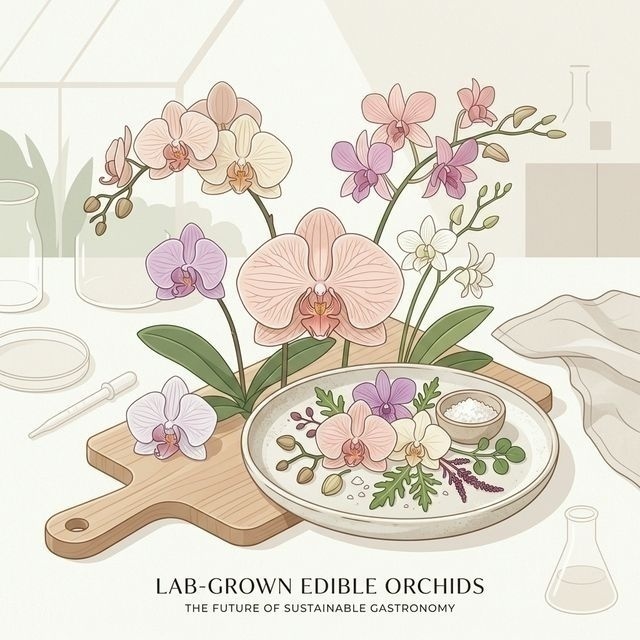
While leafy greens and herbs currently dominate the vertical farming landscape, the “2.0” movement is expanding. Experimental farms are now producing strawberries, dwarf fruit trees, and even specialized mushrooms. As the technology scales, we can expect the urban culinary palette to broaden even further.
The integration of these farms into the architecture of restaurants and grocery stores is the next logical step. Imagine dining in a restaurant where the walls are shimmering towers of living produce, and your salad is clipped right before your eyes. This isn’t just a gimmick; it is a return to the roots of human nutrition, powered by the technology of the future.
In conclusion, Vertical Farming 2.0 is not just an agricultural advancement—it is a culinary milestone. By bringing the farm to the city, we are rediscovering the true potential of fresh produce, empowering chefs to innovate without limits, and building a more sustainable and flavorful urban future.