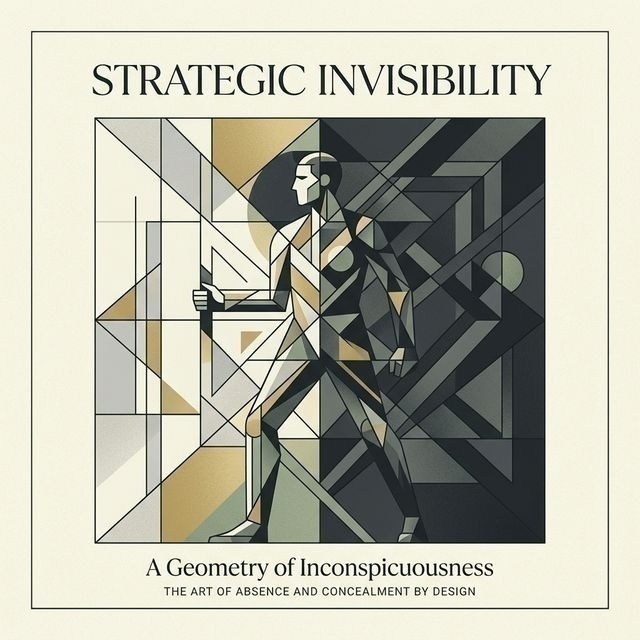
The weight of a changing climate is not just a scientific reality; it is a psychological one. For those with introverted temperaments—individuals who process the world through a deep, internal lens—the constant barrage of environmental crises can lead to a specific, paralyzing form of “eco-anxiety.” While the global narrative often calls for louder voices, more frantic movement, and visible protest, there is an overlooked power in the quiet.
For the introvert, the path to global healing doesn’t always start on a podium. It begins in the sanctuary of transformative stillness.
The Interior Climate: Why Introverts Feel the Burden
Introverts are naturally predisposed to high levels of empathy and deep processing. When news of melting ice caps or biodiversity loss hits the airwaves, an introvert doesn’t just hear the data; they internalize the loss. This “internal overstimulation” can lead to a sense of profound helplessness. In a culture that equates “action” with “noise,” the introvert may feel that their quiet concern is insufficient.
However, the “Philosophy of Introverts” suggests that the most sustainable changes are born from deep reflection. If the world is to heal, we need the architects of thought as much as the leaders of movements. Introverts possess the unique ability to sit with discomfort, analyzing the root causes of our ecological disconnect without the need for immediate, performative validation.
Redefining Activism: Inreach vs. Outreach
To understand how introverts contribute to environmental healing, we must distinguish between extroverted “outreach” and introverted “inreach.” Both are essential for a healthy ecological movement, yet the latter is frequently undervalued.
The following table illustrates the complementary roles these temperaments play in the journey toward global sustainability:
| Aspect | Extroverted Outreach (The Voice) | Introverted Inreach (The Vision) |
|---|---|---|
| Primary Method | Public demonstrations, lobbying, and community organizing. | Deep research, philosophical inquiry, and slow living. |
| Energy Source | Group dynamics and collective energy. | Solitude and focused, singular tasks. |
| Type of Impact | Immediate policy pressure and social awareness. | Long-term cultural shifts and ethical frameworks. |
| Healing Tool | Collective vocalization and shared grief. | Transformative stillness and mindful consumption. |
| Communication | Direct, persuasive, and wide-reaching. | Nuanced, written, and deeply personal. |
Transformative Stillness as a Radical Act
In a hyper-capitalist society that demands constant production and consumption, the act of “being still” is, in itself, a form of resistance. For the introvert, stillness is not a void; it is a laboratory. It is where we deconstruct the habits that lead to environmental degradation.
Transformative stillness allows us to move from reactive anxiety (worrying about the future) to proactive presence (living intentionally in the now). By cultivating a rich inner life, introverts can model a lifestyle of “enoughness.” This philosophy of minimalism and essentialism is the ultimate antidote to the overconsumption driving our planetary crisis.
When an introvert practices stillness, they are:
1. Lowering the “Noise Floor”: Reducing the chaotic energy that prevents clear-headed problem-solving.
2. Developing Systems Thinking: Seeing the interconnectedness of all living things through patient observation.
3. Refining Intentionality: Ensuring that when they do act, the action is precise, impactful, and sustainable.

The Introvert’s Path to Global Healing
Global healing requires a diversity of tactics. If you are an introvert struggling with eco-anxiety, your contribution is not found in trying to be the loudest person in the room. Instead, your power lies in your ability to:
- Champion “Slow News”: Instead of doom-scrolling, engage with long-form environmental philosophy and scientific literature that offers depth over drama.
- Practice Creative Solitude: Use art, writing, or gardening as a way to process ecological grief and transmute it into something beautiful.
- Influence Through Observation: Introverts are often excellent listeners. Use this to understand the concerns of your local community and offer thoughtful, well-researched solutions.
Conclusion: The Quiet Revolution
Eco-anxiety is a sign of a heart that cares deeply for the Earth. For the introvert, the cure for this anxiety is not found in more noise, but in more depth. By embracing transformative stillness, we move away from the paralysis of fear and toward the clarity of purpose.
The world doesn’t just need more protestors; it needs more poets, more thinkers, and more observers who can see the world as it truly is—and imagine it as it could be. Your stillness is not an absence of action; it is the foundation upon which a more conscious, healed world will be built.