
The multi-trillion-dollar longevity economy promises a future where ninety is the new sixty, shifting capital markets away from reactive elder care and toward preventative cellular maintenance. Yet, beneath the pitch decks of biotech startups and wearable ecosystems lies an aggressive financialization of human biology that risks turning basic wellness into an exclusive, surveillance-driven asset class.
Investing in the health-span revolution requires looking past slick consumer tech products to fund systemic biological infrastructure. True longevity investing prioritizes open-source biological metrics, genuine user data sovereignty, and foundational preventative systems rather than buying into high-margin lifestyle apps that mask deeper socioeconomic health divides.
Users must retain full control over their personal health data, with transparent policies governing how biometric information is collected, stored, and shared. Companies that fail to offer clear opt-in mechanisms and data deletion rights should be excluded from responsible longevity portfolios.
The Surveillance Slope of Biological Data
Modern longevity portfolios are heavily weighted toward continuous biosensors, AI diagnostic platforms, and personalized nutrition tracking. While these tools offer undeniable insights into metabolic health, they operate on a dangerous surveillance slope.
When your daily glucose levels, sleep stages, and heart rate variability are continuously tracked, that personal biological data rarely stays between you and your physician. Instead, it risks normalizing into aggressive underwriting metrics for credit bureaus, life insurance providers, and corporate wellness monitoring.
To break this dependency loop, investors and consumers must demand strict hardware sensor cutoffs and local data isolation—ensuring you can optimize your health without feeding an opaque insurance-surveillance complex.
+------------------------+------------------------------------------+---------------------------------------+
| Metric                 | The Product Trap (Surface-Level Tech)    | The Systemic Alternative (True Value) |
+------------------------+------------------------------------------+---------------------------------------+
| Data Architecture      | Cloud-locked AI tracking & insurance feed| Local-first storage with kill-switches|
+------------------------+------------------------------------------+---------------------------------------+
| Economic Accessibility | Luxury bio-hacks for the elite           | Universal preventative infrastructure |
+------------------------+------------------------------------------+---------------------------------------+
| Operational Footprint  | Opaque server grids & ESG greenwashing   | Open-source metrics & lifecycle honesty|
+------------------------+------------------------------------------+---------------------------------------+
Moving from Products to Biological Systems
The market is flooded with longevity products designed to offer moral absolution for modern wear and tear—from expensive NAD+ boosters to private clinical memberships. However, true wealth and health span cannot be purchased as a standalone retail SKU.
When evaluating longevity startups, institutional and retail capital should look for systemic value rather than proprietary lock-in:
- Open Metrics: Back companies that utilize transparent, interoperable biological data formats rather than walled gardens that trap your health history.
- The Right of Refusal: Ensure that human oversight—whether a trusted clinician or the individual user—retains an absolute right of refusal when AI diagnostic models prioritize operational efficiency over human well-being.
- Privilege Honesty: Acknowledge that lifespan gaps are fundamentally driven by environmental and socioeconomic inequalities, not a lack of consumer wearable devices. Real longevity capital targets systemic determinants of health like clean air, accessible nutrition, and community infrastructure.
A Pragmatic Portfolio Framework
Allocating capital toward health span without falling for greenwashing or consultation theater requires a balanced approach. We must reject companies that hide behind corporate social responsibility buzzwords while outsourcing their carbon footprints and manufacturing waste.
Instead, look to regenerative health models that honor the full life-cycle of their assets—from ethically sourced therapeutics to energy-efficient diagnostic grids.
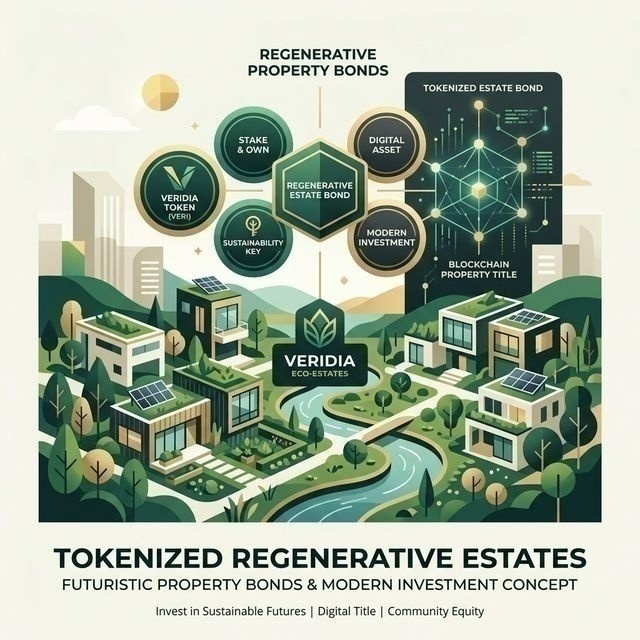
When traditional ecological knowledge and community-led health practices guide technological intervention—rather than the other way around—longevity investing becomes an empowering public good rather than an exercise in elite bio-hoarding.