Imagine a device on your wrist that senses your rising cortisol levels before you even realize your jaw is clenched. This isn’t a scene from a sci-fi thriller; it is the reality of Emotional AI wearables, a new frontier in technology designed to harmonize our digital and emotional lives.
Emotional AI wearables are sophisticated devices that monitor physiological markers—like heart rate variability and skin conductance—to identify stress in real-time. Unlike traditional fitness trackers that merely record data, these “empathetic” gadgets provide immediate interventions, such as haptic breathing prompts, to help users regain composure before a burnout occurs.
The Shift from Physical Fitness to Mental Resilience
For the last decade, the wearable market has been obsessed with the “Quantified Self”—counting steps, calories, and miles. However, a seismic shift is occurring. As global burnout rates reach record highs, the focus has pivoted from physical output to internal state management.
Emotional AI (also known as Affective Computing) integrates sensors with machine learning algorithms to interpret human emotions. By analyzing subtle changes in our biology, these devices act as a “smoke detector” for the nervous system.
The Science Under the Hood: How Stress is “Seen”
To detect an invisible emotion like stress, these wearables rely on a suite of high-fidelity biometric sensors:
- Electrodermal Activity (EDA): These sensors measure tiny fluctuations in sweat gland activity, which is a direct indicator of sympathetic nervous system arousal.
- Heart Rate Variability (HRV): This measures the variation in time between each heartbeat. A high HRV suggests a resilient, relaxed state, while a low HRV indicates a body stuck in “fight or flight” mode.
- Skin Temperature: Sudden drops in peripheral skin temperature often signal the onset of a stress response as blood flow shifts toward the core.
- Photoplethysmography (PPG): Used to track blood flow patterns that can indicate anxiety or high-pressure states.
From Detection to Mitigation: The “Active” Revolution
The true innovation of Emotional AI lies in mitigation. Older devices were “passive,” providing a graph of your stress at the end of the day when it was too late to do anything about it. Modern Emotional AI is “active.”
When the algorithm detects a signature stress pattern, the device intervenes immediately. This might look like a gentle vibration on your wrist (haptic feedback) that mimics a slow breathing rhythm, or a notification on your phone suggesting a 60-second “box breathing” exercise. By catching the stress response in its infancy, these devices prevent the “amygdala hijack,” allowing the user to remain in control of their cognitive functions.
Real-World Applications: Who Benefits?
The implications for this technology extend far beyond the average office worker.
- High-Stakes Professions: Surgeons, pilots, and first responders can use these wearables to monitor their “cognitive load,” ensuring they take micro-breaks before fatigue leads to errors.
- Neurodiversity Support: For individuals with autism or ADHD, Emotional AI can provide a “bio-cue” to help identify sensory overload before it leads to a meltdown.
- Corporate Wellness: Companies are beginning to offer these devices to employees as part of proactive mental health packages, shifting the culture from “grind until you break” to “sustain and thrive.”
- Chronic Pain Management: Since pain and stress are neurologically linked, monitoring the emotional state can help patients manage flare-ups more effectively.
The Privacy Frontier: Guarding Your “Inner Data”
As with any technology that collects intimate data, Emotional AI raises significant ethical questions. Your emotional state is perhaps your most private information. SEO strategists and tech developers are currently grappling with “Neural Privacy.”
Leading manufacturers are moving toward on-device processing—where your emotional data is analyzed on the watch itself rather than being sent to a cloud server—to ensure that your feelings aren’t being sold to advertisers or monitored by overzealous HR departments.
Comparison: Fitness Trackers vs. Emotional AI Wearables
| Feature | Standard Fitness Tracker | Emotional AI Wearable |
|---|---|---|
| Primary Goal | Physical health & movement | Psychological & nervous system regulation |
| Key Sensor | Accelerometer (Steps) | EDA & HRV (Nervous system) |
| Feedback Style | Historical (How did you do?) | Real-Time (How are you now?) |
| Intervention | “Time to move!” | Guided breathing & haptic grounding |
| Data Type | Quantitative (Numbers) | Qualitative (Emotional states) |
The Future: A Symbiotic Relationship
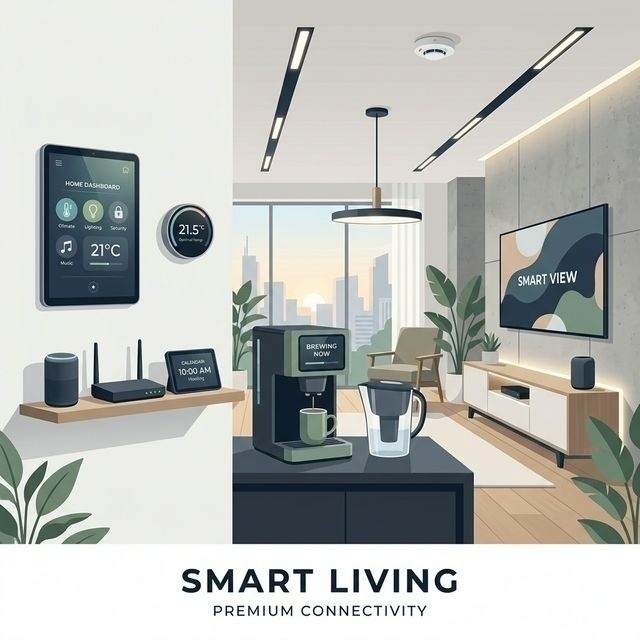
We are moving toward a future where our devices are no longer just tools, but partners in our well-being. The next generation of Emotional AI wearables will likely integrate with our smart homes—dimming the lights or playing calming music the moment your wrist detects you’ve had a difficult day.
By bridging the gap between our physiological reactions and our conscious awareness, Emotional AI isn’t just tracking our lives; it is teaching us how to live them with more intention, balance, and grace. As the technology matures, the “Step Counter” will seem like a relic of a simpler time, replaced by a “Serenity Counter” that prioritizes the health of our minds as much as the strength of our bodies.