
In the modern era, the conversation surrounding climate change has shifted from purely environmental concerns to a deeply personal health crisis. As the frequency of extreme weather events increases and headlines dominate our digital feeds, a new psychological phenomenon has emerged: eco-anxiety. Defined by the American Psychological Association as a “chronic fear of environmental doom,” eco-anxiety can manifest as stress, grief, and even physical exhaustion.
However, fostering climate resilience is not just about building floodwalls or switching to renewable energy; it is about fortifying the human spirit. A holistic approach to mental health acknowledges that our well-being is intrinsically linked to the health of our planet. By integrating psychological, physical, and community-based strategies, we can transform paralysis into purpose.
Understanding the Impact of Environmental Stress
The impact of climate change on mental health is multifaceted. For some, it is the direct trauma of experiencing a natural disaster. For others, it is the subtle, persistent “solastalgia”—the distress caused by seeing one’s home environment change for the worse.
Holistic health views these feelings not as pathologies to be cured, but as rational responses to a changing world. Acknowledging these emotions is the first step toward resilience. When we suppress environmental grief, it often manifests as burnout. When we validate it, we create space for proactive adaptation.
Comparing Coping Mechanisms for Climate Distress
To better understand how to navigate these complex emotions, it is helpful to categorize different strategies based on their impact and the type of relief they provide.
| Strategy Type | Focus Area | Primary Benefit | Example Practice |
|---|---|---|---|
| Internal Regulation | Psychological | Reduces immediate stress and “doom-scrolling” fatigue. | Mindfulness meditation and breathwork. |
| Ecotherapy | Physical/Spiritual | Restores the bond between humans and nature. | “Forest bathing” (Shinrin-yoku) or outdoor grounding. |
| Collective Agency | Social/Community | Combats isolation and builds social resilience. | Joining a local community garden or climate action group. |
| Cognitive Reframing | Intellectual | Shifts perspective from helplessness to proactive hope. | Focusing on “Active Hope” and local success stories. |
Holistic Strategies for Building Resilience
1. The Power of Ecotherapy
Holistic wellness emphasizes that we are part of nature, not separate from it. Ecotherapy involves intentional immersion in the natural world to regulate the nervous system. Spending time in green or blue spaces (near water) has been scientifically proven to lower cortisol levels and improve mood. By reconnecting with the beauty of the earth, we remind ourselves why the planet is worth protecting, which fuels our motivation rather than our fear.
2. Radical Self-Care as a Foundation
You cannot pour from an empty cup. In the context of climate resilience, self-care is a radical act of preservation. This includes maintaining a nutrient-dense diet, ensuring restorative sleep, and setting boundaries with digital media. Limiting your exposure to “doom-scrolling” prevents the cognitive overload that leads to “compassion fatigue.”
3. Transitioning from Anxiety to Agency
The most effective antidote to anxiety is action. However, this action must be sustainable. Instead of trying to solve the global crisis single-handedly, focus on “micro-actions” that align with your values. Whether it is reducing personal waste, supporting local regenerative agriculture, or participating in community-led conservation, these actions provide a sense of agency that counters feelings of helplessness.
Cultivating Collective Resilience
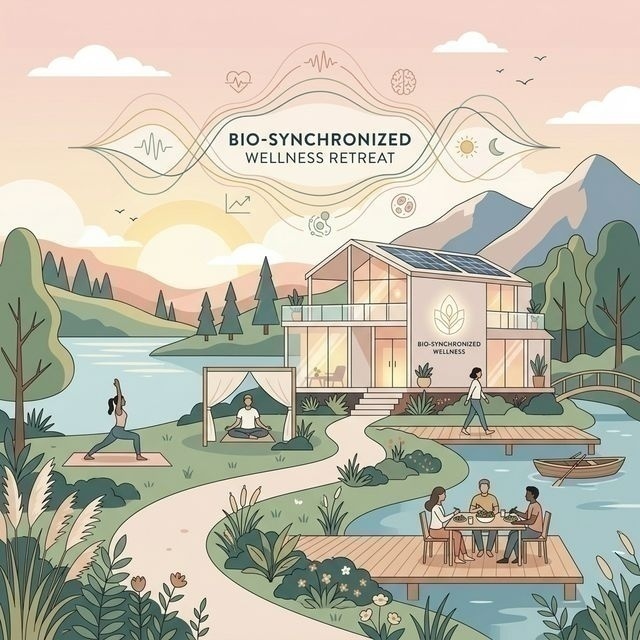
Resilience is not a solitary endeavor. The psychological weight of the climate crisis becomes much lighter when shared. Community-based holistic health initiatives, such as “Climate Cafes” or neighborhood resilience hubs, offer safe spaces for individuals to voice their concerns without judgment.
By building strong social ties, we create a safety net that is both emotional and practical. In times of environmental stress, communities with high social capital—where neighbors know and trust one another—fare much better than those that are fragmented.
Conclusion: Finding Meaning in a Changing World
Eco-anxiety is a testament to our deep connection to the Earth. While the challenges ahead are significant, they also offer an opportunity to redefine our relationship with ourselves and our environment. By adopting holistic strategies—nurturing our bodies, calming our minds, and strengthening our communities—we do more than just survive. We build a foundation of climate resilience that allows us to navigate the future with courage, clarity, and hope.
The journey toward planetary health begins with individual well-being. As we heal our relationship with the world around us, we find the strength to build a more sustainable and resilient future for all.