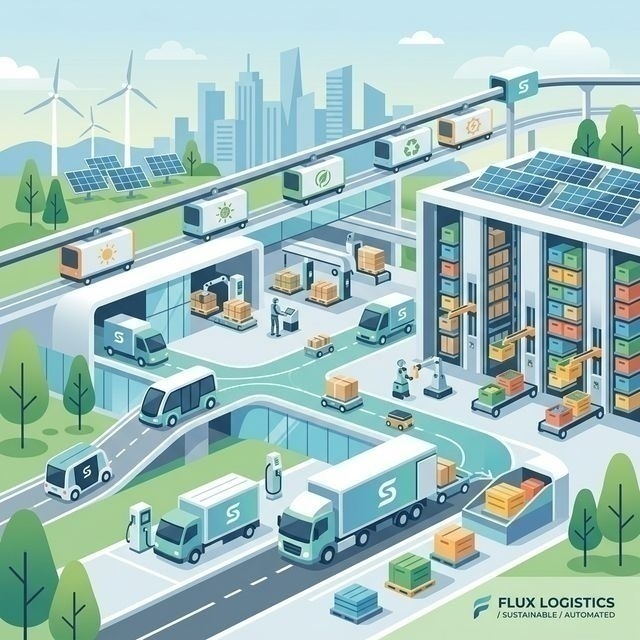
In the modern “Supply Chain for Life,” the stakes are higher than simple retail logistics. When we talk about the wellness industry—comprising everything from seasonal flu supplements and allergy medications to organic protein powders—inefficiency doesn’t just result in lost revenue; it results in massive environmental waste and a failure to meet critical human health needs.
Traditionally, the wellness supply chain has been reactive. However, as global health trends become more volatile due to climate change and shifting consumer habits, a new hero has emerged: Artificial Intelligence. By leveraging AI-powered demand forecasting, the global wellness sector is finally moving from guesswork to precision.
The Seasonal Seesaw: Why Traditional Forecasting Fails
The wellness market is notoriously seasonal. Demand for Vitamin C and zinc spikes in November; allergy relief peaks in April; and “New Year, New Me” supplements flood the market in January. Traditional forecasting methods rely heavily on historical sales data—essentially looking in the rearview mirror to drive forward.
This approach often leads to two disastrous outcomes:
1. Stockouts: Failing to meet consumer demand during peak illness seasons, leaving patients without necessary support.
2. Overstocking: The “bullwhip effect” causes retailers to over-order, leading to warehouses full of products with looming expiration dates.
In the health sector, expired products cannot simply be discounted indefinitely; they often end up in landfills, contributing to a significant global waste problem.
The AI Revolution: Predictive Analytics Meets Health
AI-powered demand forecasting changes the game by incorporating “externalities”—data points that traditional systems ignore. Machine learning algorithms analyze more than just last year’s sales. They ingest real-time weather patterns (which trigger allergy seasons), social media trends (the “TikTok effect” on specific supplements), and even localized epidemiological data.
By processing these massive datasets, AI can predict a surge in demand weeks before it hits the pharmacy shelves. This allows manufacturers to adjust production schedules and logistics providers to reposition inventory closer to high-demand regions.
Comparison: Traditional vs. AI-Powered Forecasting
To understand the impact, let’s look at how these two methodologies differ in a real-world wellness scenario.
| Feature | Traditional Forecasting | AI-Powered Demand Forecasting |
|---|---|---|
| Data Sources | Historical sales data only. | Sales, weather, social trends, & health reports. |
| Accuracy | 60-70% (High margin of error). | 85-95% (Continuous self-learning). |
| Reaction Time | Monthly or Quarterly adjustments. | Real-time or Weekly adjustments. |
| Waste Impact | High (Due to over-production). | Low (Precision manufacturing). |
| Inventory Cost | High (Safety stock required). | Low (Just-in-time delivery model). |
| Sustainability | Low (High carbon footprint/waste). | High (Optimized routes and reduced scrap). |
The Sustainability Factor: Cutting Waste in the Wellness Chain
Sustainability is no longer a “nice to have” in the wellness industry; it is a core consumer expectation. When a wellness brand uses AI to optimize its supply chain, it is making a direct contribution to environmental conservation.
Reducing waste in the wellness supply chain involves more than just throwing away fewer bottles. It’s about the “Supply Chain for Life” philosophy:
* Reduced Carbon Emissions: By accurately predicting where products need to be, companies can optimize shipping routes, reducing the number of half-empty trucks on the road.
* Minimal Chemical Waste: Many health products involve complex chemical manufacturing. Reducing overproduction means less raw material extraction and less chemical processing.
* Packaging Efficiency: Less unsold inventory means less plastic and glass packaging ending up in the waste stream.
Implementing AI: A Roadmap for Health Brands
For companies looking to integrate AI into their seasonal health strategy, the transition requires a focus on data quality. AI is only as good as the information it consumes.
- Data Integration: Break down silos between sales, marketing, and logistics.
- Cloud-Based Collaboration: Use cloud platforms to share real-time demand signals with every partner in the supply chain.
- Iterative Learning: Start with one product category (e.g., seasonal immunity boosters) and allow the AI to learn and refine its models before scaling globally.
Conclusion: Technology in Service of Life
The integration of AI into the wellness supply chain represents a pivotal shift in how we manage global health resources. By utilizing predictive modeling to align supply with seasonal human needs, we do more than just improve profit margins—we protect the planet and ensure that health-improving products are available exactly when and where they are needed most.
In the “Supply Chain for Life,” efficiency is the ultimate form of care. As AI continues to evolve, the dream of a zero-waste wellness industry is becoming an achievable reality.